Top 10 Essential Tips for Maintaining your Kitchen Equipment
Dec 04, 2025
Restaurant Growth
Running a successful kitchen isn't just about the food; it's also about keeping your equipment in top shape. In a restaurant, kitchen equipment is the backbone of daily operations, and maintaining it properly not only ensures safety and efficiency but also extends its lifespan. Here are the best practices for maintaining kitchen equipment that will save you time, money, and headaches down the road.
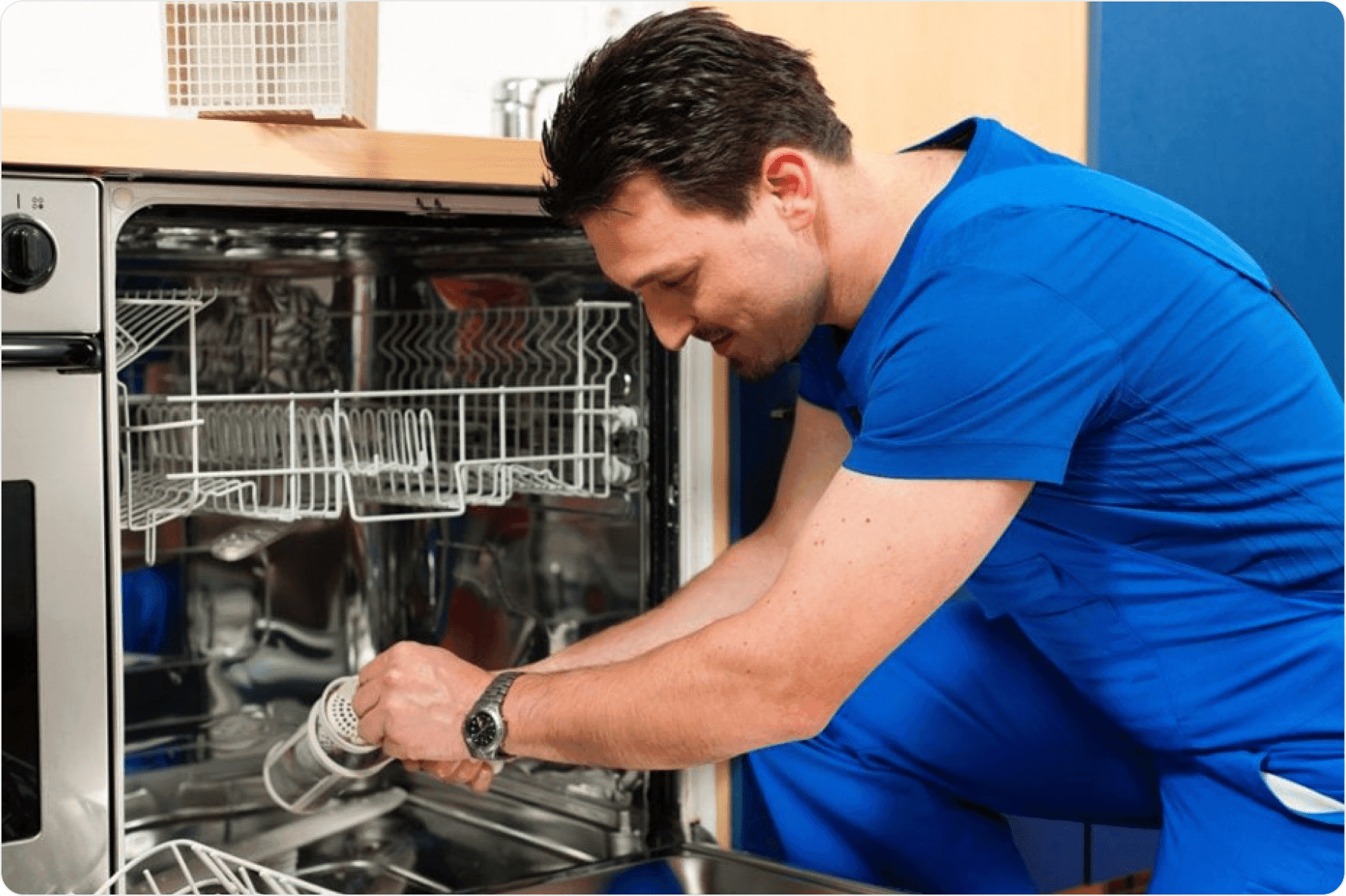
1. Create a Maintenance Schedule
Every piece of equipment has a different maintenance need. Ovens, grills, refrigerators, and fryers all have their own cleaning and servicing requirements. Establish a clear and regular maintenance schedule for each piece of equipment.
This prevents unexpected breakdowns and ensures everything runs smoothly. A well-maintained oven, for example, will cook food more evenly and last longer, while a clean fryer can help avoid oil contamination, keeping your food tasting great.
2. Stick to Daily Cleaning
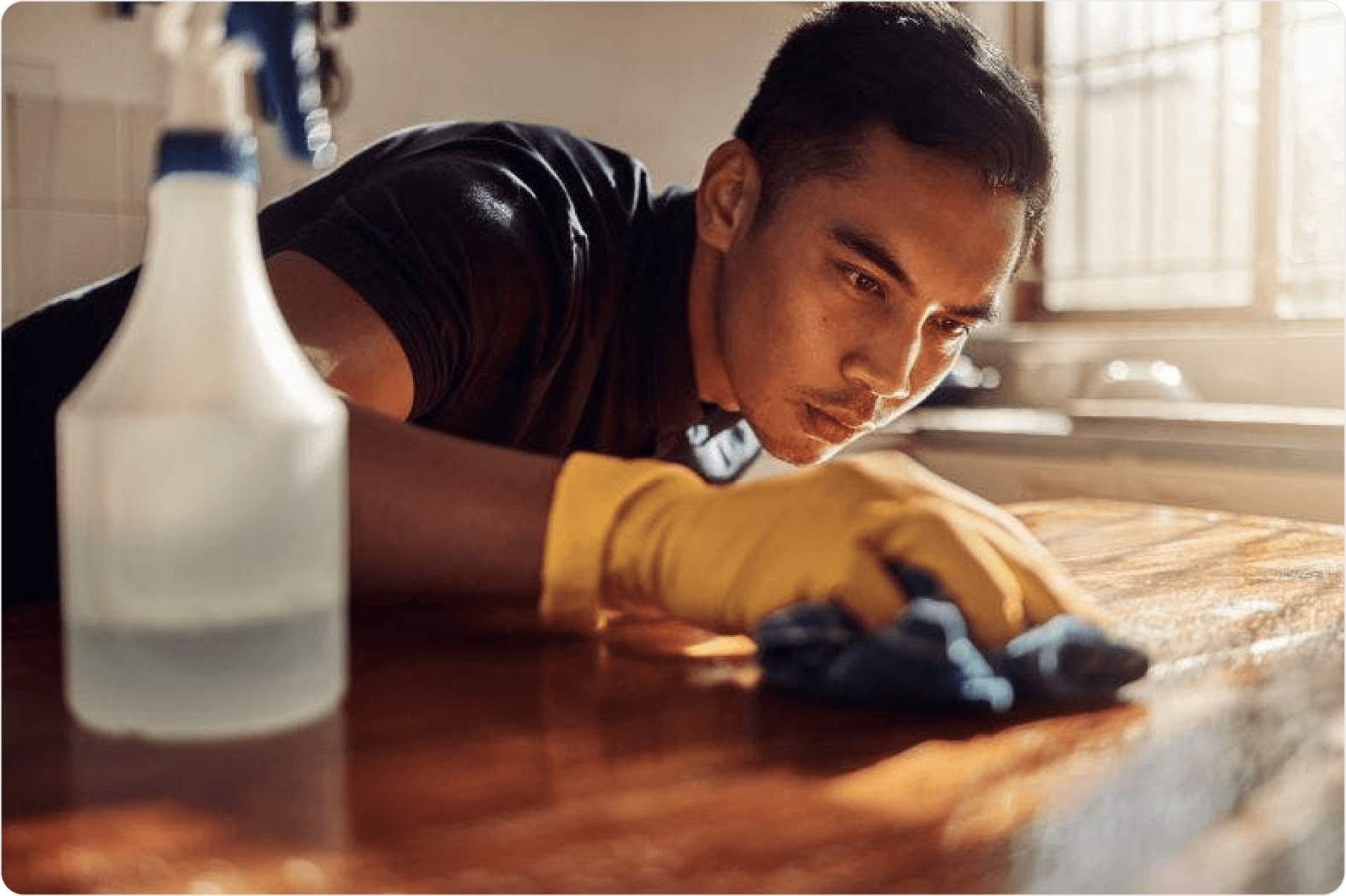
Cleaning your equipment daily might seem obvious, but it's crucial for long-term performance. Grease, food particles, and grime can quickly build up, causing equipment to function inefficiently or even break down. Regularly wiping down surfaces, cleaning filters, and emptying crumb trays at the end of every shift will prevent larger issues. Make this part of your kitchen's closing routine.
3. Train Staff Properly
No matter how good your equipment is, improper use can lead to damage and costly repairs. Make sure your staff is trained on how to properly use, clean, and maintain each piece of equipment. A well-informed team reduces the risk of accidents and prolongs the life of your gear.
4. Check for Wear and Tear
Even with a solid maintenance schedule, some wear and tear is inevitable. It's important to inspect equipment regularly for signs of damage like loose screws, frayed cords, or unusual noises. Identifying these issues early can save you from expensive breakdowns later. If something doesn’t seem right, don’t ignore it.
5. Use Equipment as Intended
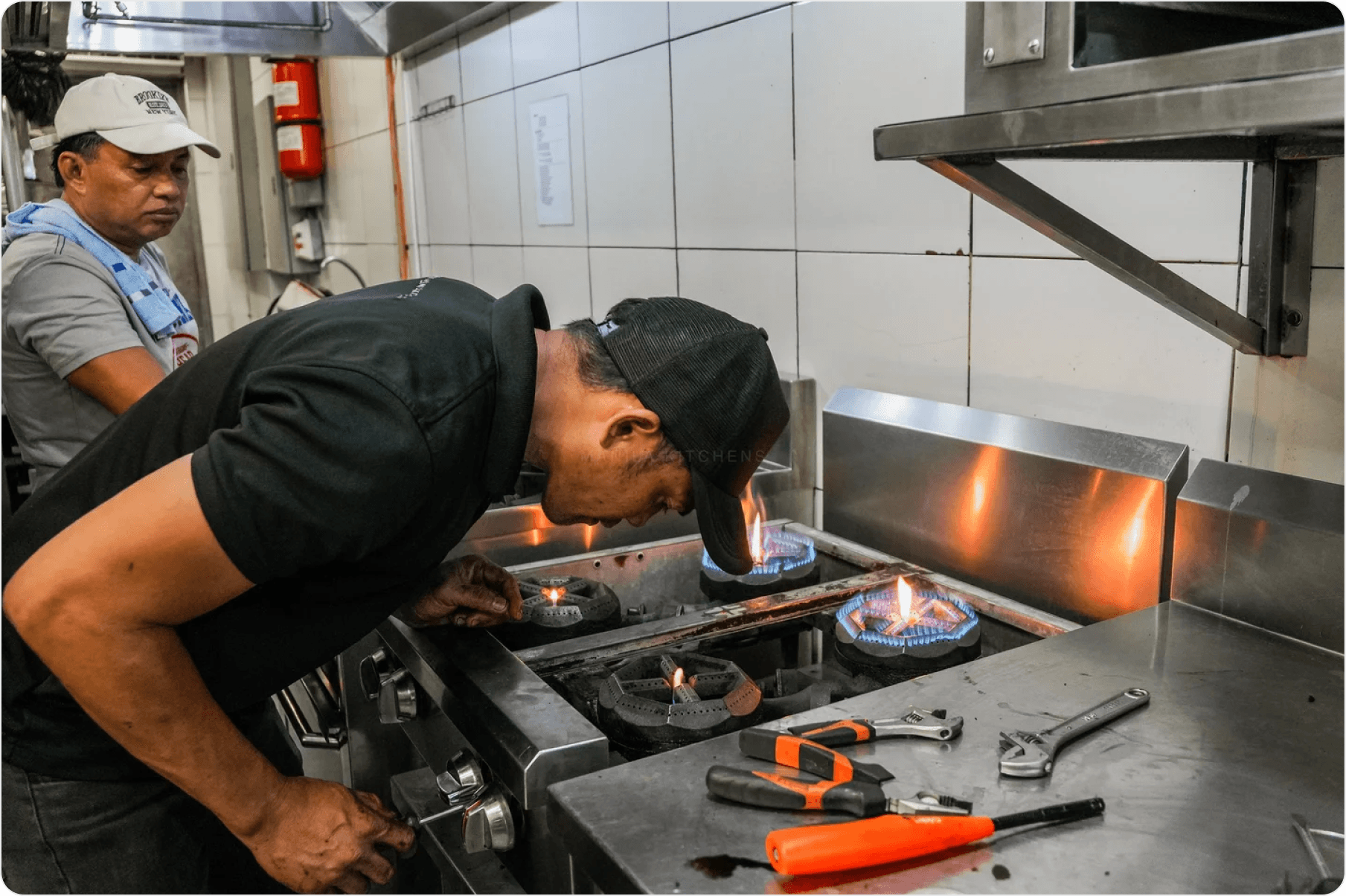
Using equipment for purposes other than what it’s designed for can shorten its lifespan. For instance, don’t use the oven for storage when it’s not in use, and don’t overload mixers or grinders. Following manufacturer guidelines is key to making sure your equipment works efficiently and lasts as long as possible.
6. Keep Equipment Manuals Handy
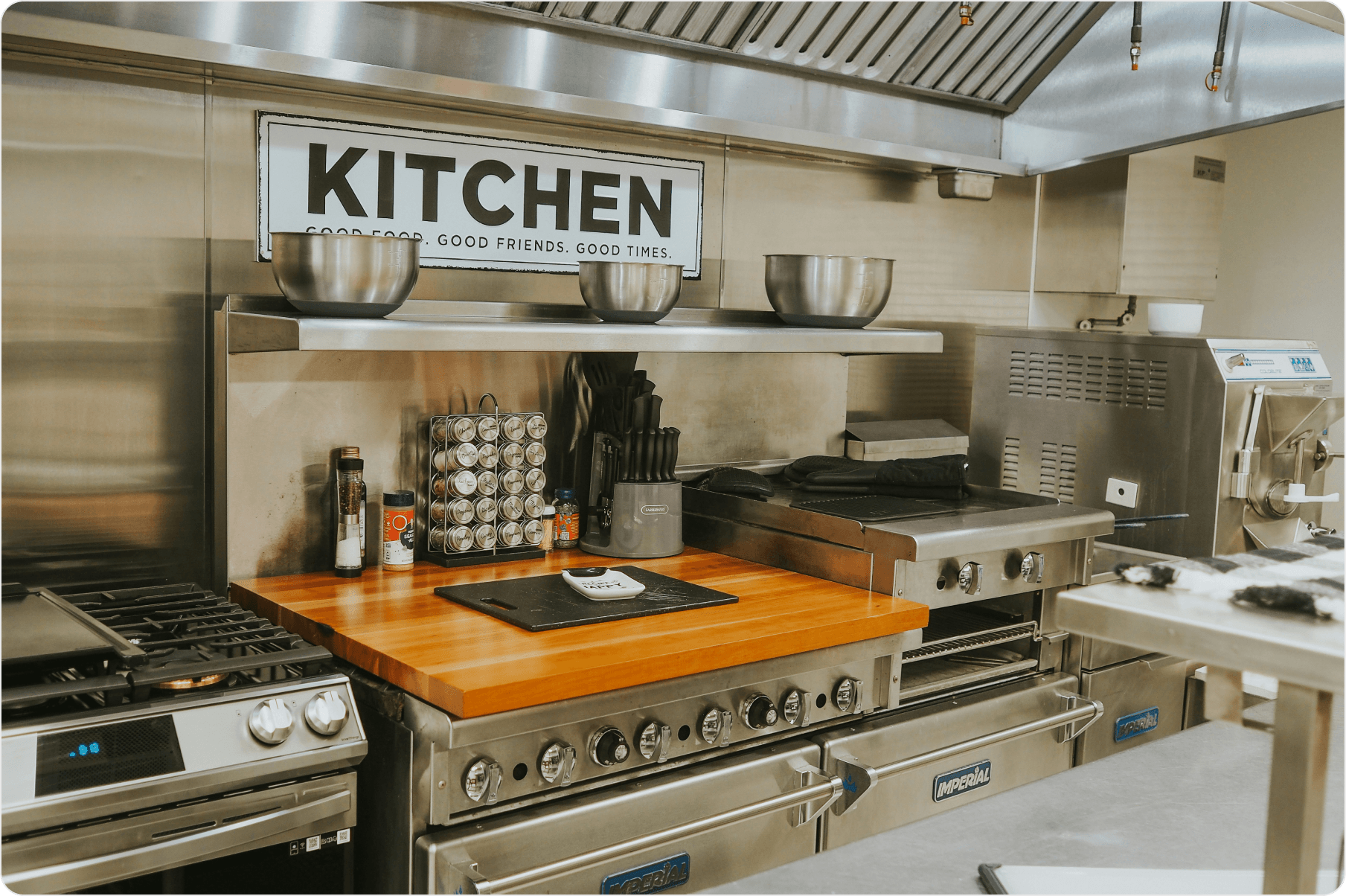
Your equipment came with manuals for a reason. They contain valuable information about proper use and maintenance. Keep these manuals in a safe and accessible place. They’ll guide you on the correct ways to clean and troubleshoot specific equipment. If you lose a manual, many are available online directly from the manufacturer.
7. Schedule Professional Servicing
Even with regular cleaning and inspections, certain maintenance tasks should be handled by professionals. For instance, the refrigeration system may need a more thorough check-up, or your gas appliances may require testing for leaks. Schedule professional servicing at least twice a year to ensure that your equipment remains in good working condition.
8. Use the Right Cleaning Products
Not all cleaning products are suitable for every type of kitchen equipment. Using harsh chemicals on certain materials can lead to corrosion or damage. Always check the manufacturer’s recommendations for cleaning products. In some cases, using gentler, non-abrasive cleaners can extend the life of the equipment while keeping it safe for use with food.
9. Keep Spare Parts on Hand
Having spare parts, like filters, seals, or gaskets, on hand can prevent downtime when minor repairs are needed. This saves you from scrambling to find parts when something breaks unexpectedly. It’s a small investment that can save you big when an emergency strikes.
10. Monitor Energy Efficiency
Equipment that is not maintained properly can waste energy. Dirty ovens or clogged refrigeration units can cause appliances to work harder than they need to, leading to higher utility bills. Monitoring your equipment’s energy efficiency ensures that everything is running at optimal capacity, saving you money in the long run.
Conclusion
Maintaining kitchen equipment is not just about keeping things clean; it’s about creating a system that ensures longevity, efficiency, and safety. By following these best practices—daily cleaning, proper training, routine inspections, and professional servicing—you’ll keep your kitchen running smoothly and avoid costly repairs or replacements.
Remember, a well-maintained kitchen is a happy kitchen!

Read More

2025 Dec 05
10 Powerful Benefits of Restaurant Management Software Every Owner Should Know
Business

2025 Dec 03
Top 10 Essential Tips for Maintaining your Kitchen Equipment
Restaurant Growth

2025 Dec 03
How to Run a Successful Restaurant: A complete Guide for Owners
Business

2025 Dec 04
Top 10 Benefits of Using QR Menus in Restaurants
Growth

2025 Dec 04
Tips to Cultivate Teamwork in Your Restaurant
Growth

2025 Dec 03
Top 10 tips to reduce Costs in Restaurant
Tips & Tricks